TDEE Calculator With Body Fat
Set your goal and visualize your progress.
Calories de maintenance (TDEE)
0 kcal/dayTon objectif calorique
0 kcal/day90-day weight projection
Dans 30 jours
0 kgDans 60 jours
0 kgDans 90 jours
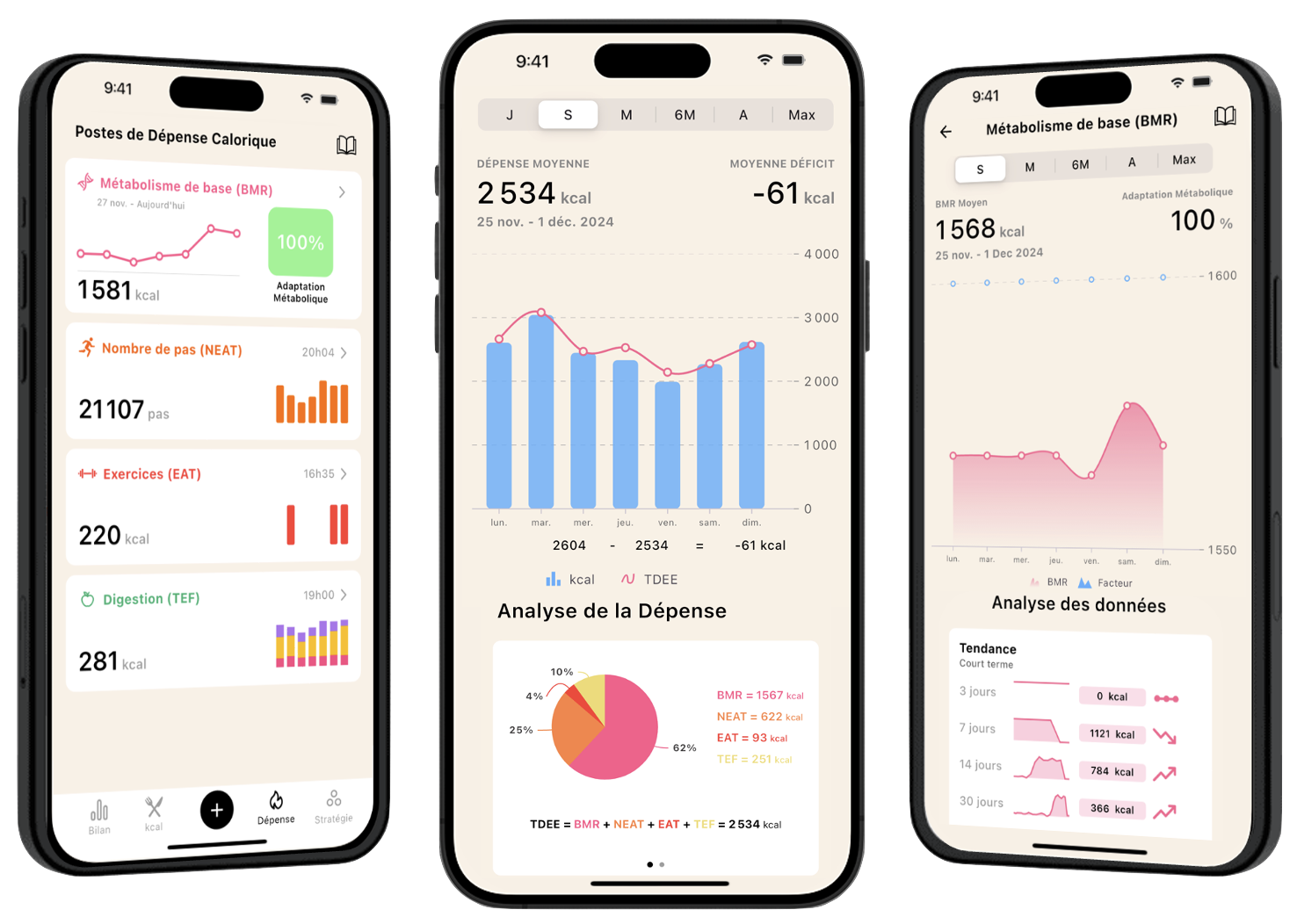
0 kgDécomposition de la maintenance
Download Lean to track your TDEE every day and log your calories efficiently.


Répartition des macronutriments
Based on your calorie target
Low carb
40% P / 40% L / 20% G
- Proteins 0 g
- Fats 0 g
- Carbohydrates 0 g
Glucides modérés
30% P / 35% L / 35% G
- Proteins 0 g
- Fats 0 g
- Carbohydrates 0 g
High Carb
30% P / 20% L / 50% G
- Proteins 0 g
- Fats 0 g
- Carbohydrates 0 g
Statistiques corporelles
Poids idéal
Based on the reference formulas, here is the healthy weight range for your height. It is a general benchmark that does not account for your individual body composition.
0 kg
Fourchette de poids saine
Score IMC
The Body Mass Index (BMI) is a simple indicator of weight relative to height. It does not distinguish fat from muscle, so it can be less relevant for athletic profiles.
0.0
N/A
- < 18.5 Insuffisance pondérale
- 18.5 – 24.9 Normal
- 25.0 – 29.9 Overweight individuals
- > 30.0 Obésité
Potentiel musculaire
This estimate gives your natural maximum lean mass from your height. The values below show the total weight you would have at that muscular peak for different body fat levels.
0 kg
Masse maigre maximale
Outils de suivi des calories
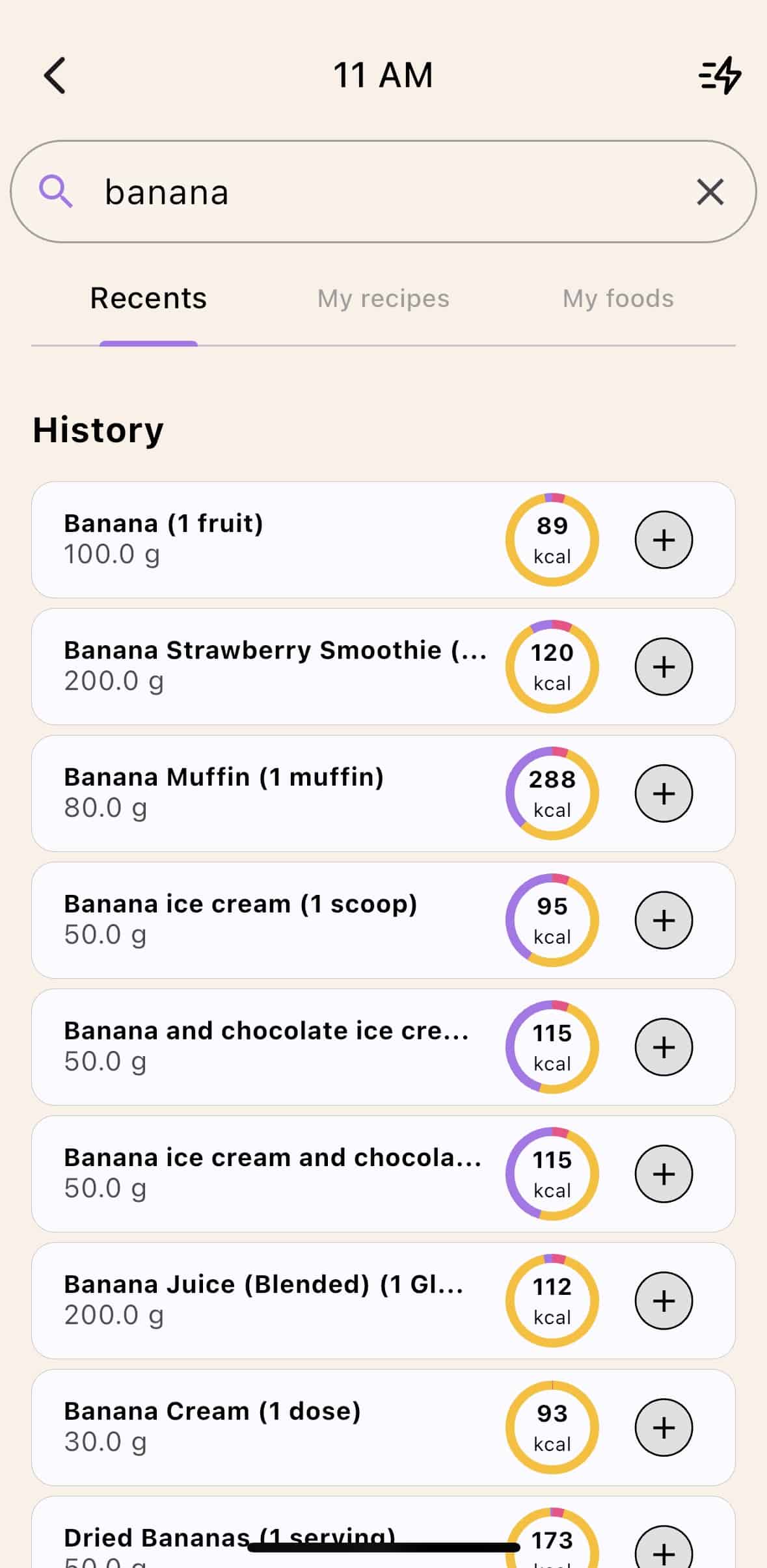
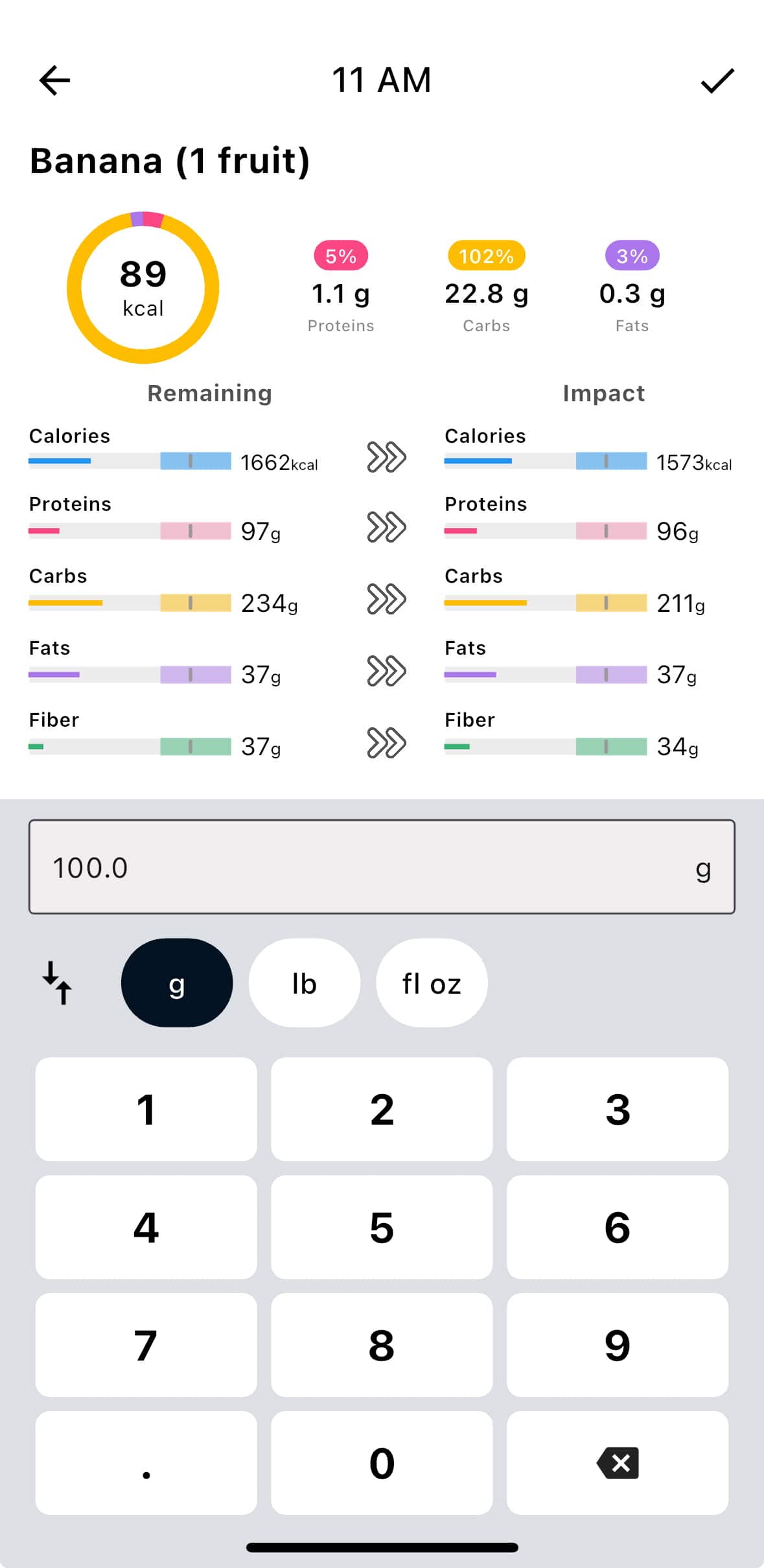
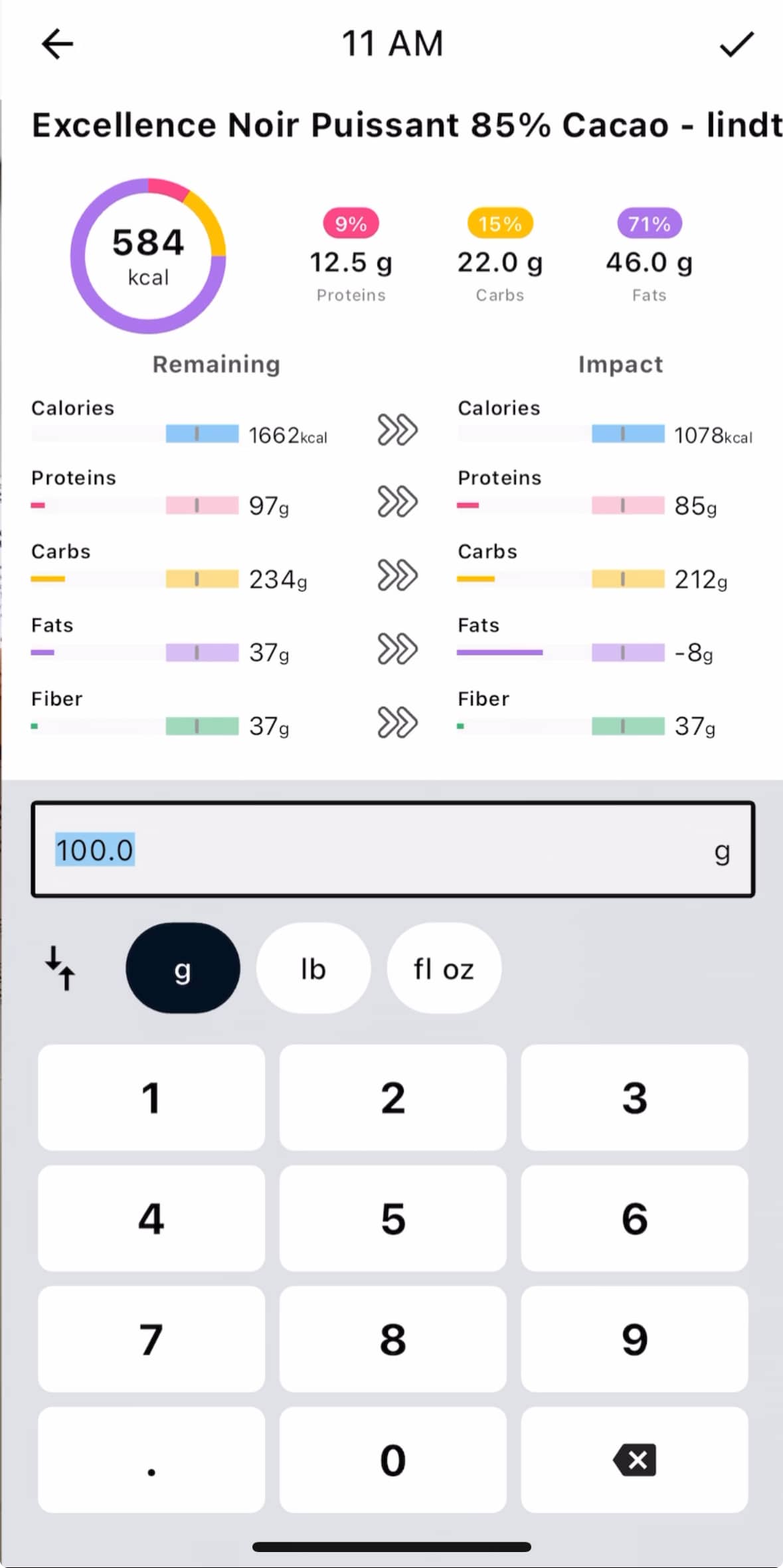
1. Base de données alimentaires
- Facilité d’usage
- Availability
- Accuracy
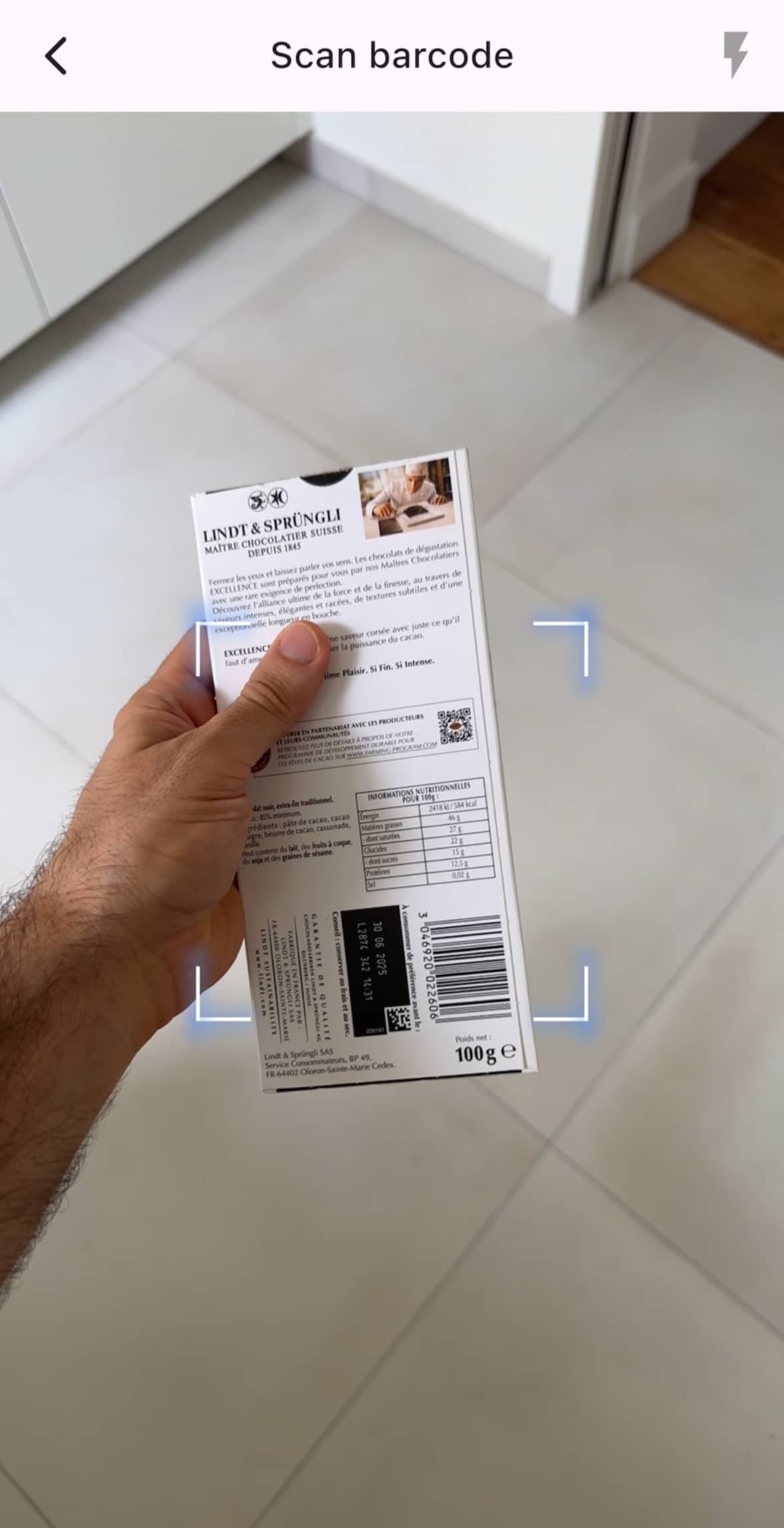
2. Scan de code-barres
- Facilité d’usage
- Availability
- Accuracy

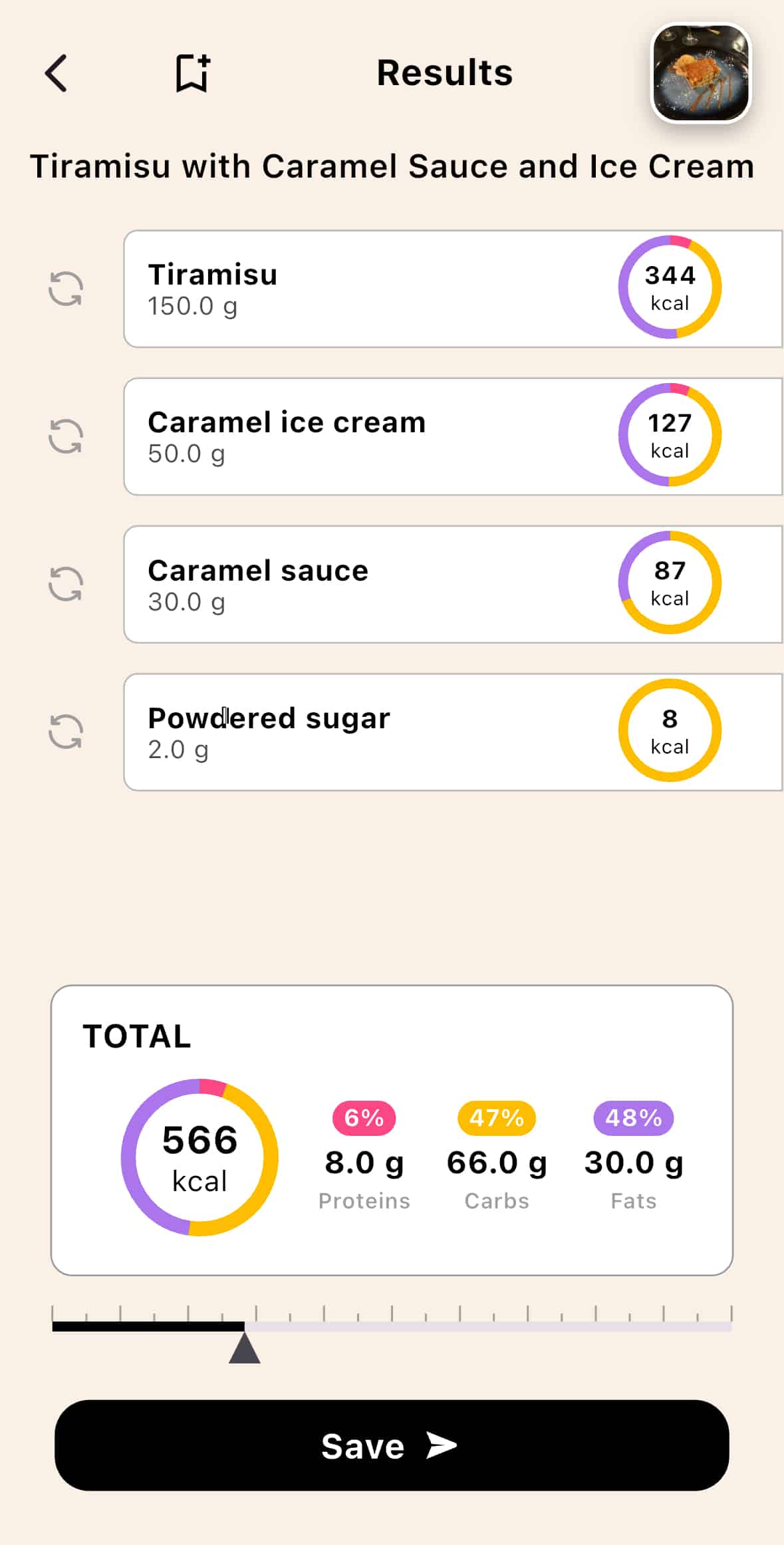
3. Scan IA de repas
- Facilité d’usage
- Availability
- Accuracy


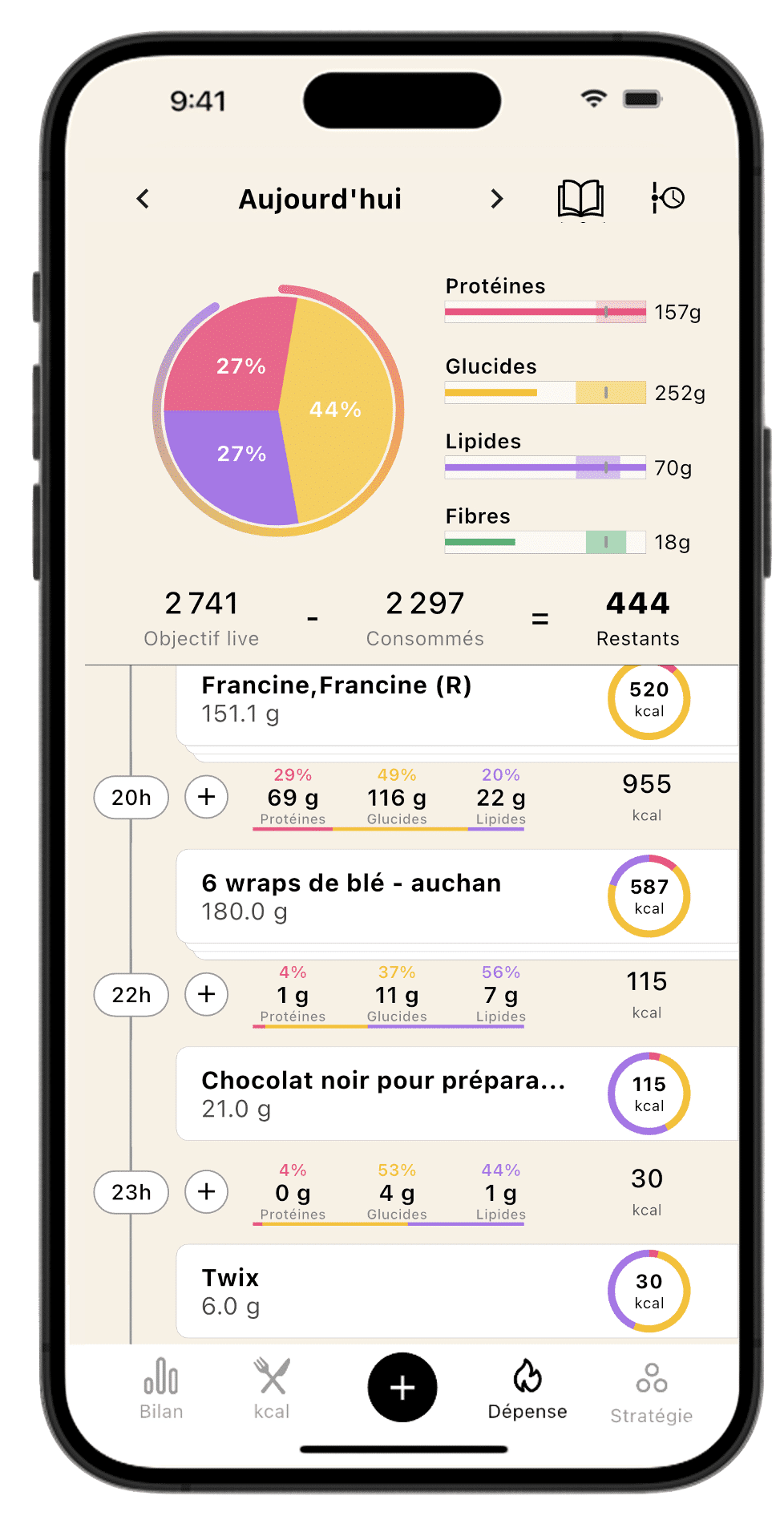
The best tool to track your calories?
Download Lean and combine these three methods depending on the situation.
 Lean
Lean
Understanding your TDEE: the complete guide
The world of nutrition and fitness seems complex, but understanding your Total Daily Energy Expenditure (TDEE) remains the essential first step. A TDEE calculator is a powerful tool that demystifies the process: it gives a clear, scientifically validated starting point for any weight management goal. This guide explains everything you need to know about TDEE and how to use this calculator effectively.
C’est quoi le TDEE ?
TDEE stands for Total Daily Energy Expenditure. It is the total number of calories your body burns over 24 hours. Not just exercise: it is a global measure that includes all body functions, from breathing to walking, thinking and workouts. Knowing your TDEE means knowing exactly how many calories your body needs to maintain its current weight. This number is the foundation on which any effective diet plan is built.
The four components of your TDEE
Your TDEE is not a single number: it is the sum of four key components.
- Métabolisme de base (BMR) : this is the energy your body uses at complete rest to sustain its vital functions (breathing, blood circulation, thermoregulation). It is the largest share of your TDEE. This tool uses the Katch-McArdle formula, which requires your body fat percentage, making it a BMR Calculator more precise than those based only on weight and height.
- NEAT (Non-Exercise Activity Thermogenesis) : these are all the calories burned by non-exercise activities, such as walking to your car, typing, fidgeting or doing housework. Daily steps are a great way to measure and increase your NEAT.
- EAT (Exercise Activity Thermogenesis) : this is the energy spent during planned physical activities such as running, strength training or sports.
- TEF (Thermic Effect of Food) : your body spends energy to digest, absorb and metabolize food. It represents about 10% of your daily calorie intake.
How to use a TDEE calculator to lose weight
To lose weight, you need to be in a calorie deficit. That means consuming fewer calories than your TDEE. A calorie deficit calculator is essentially a TDEE calculator used for that specific purpose. Once you know your maintenance TDEE, you can create a sustainable deficit. For example, a deficit of 500 calories per day typically leads to a loss of about 0.45 kg (1 lb) per week. Our TDEE calculator for weight loss lets you set this deficit precisely and project your progress over time.
BMR vs TDEE : quelle différence ?
BMR and TDEE are often confused. Think of it this way: your BMR is the energy cost of your body at rest, while your TDEE is the total cost including all your daily activities. You should never eat below your BMR, as it can harm your metabolism and your health. TDEE is the operational number to use to plan your diet.
Calculating your macros from your TDEE
Once you have your target calorie intake from the TDEE calculator, the next step is to determine your macronutrient split (protein, fat, carbohydrates). A good Macro calculator uses your TDEE as a starting point. This tool offers three common diet plans (Low Carb, moderate carbs, High Carb) to help you find the balance that fits your lifestyle and preferences. The idea: not just aiming for a calorie number, but fueling your body efficiently.